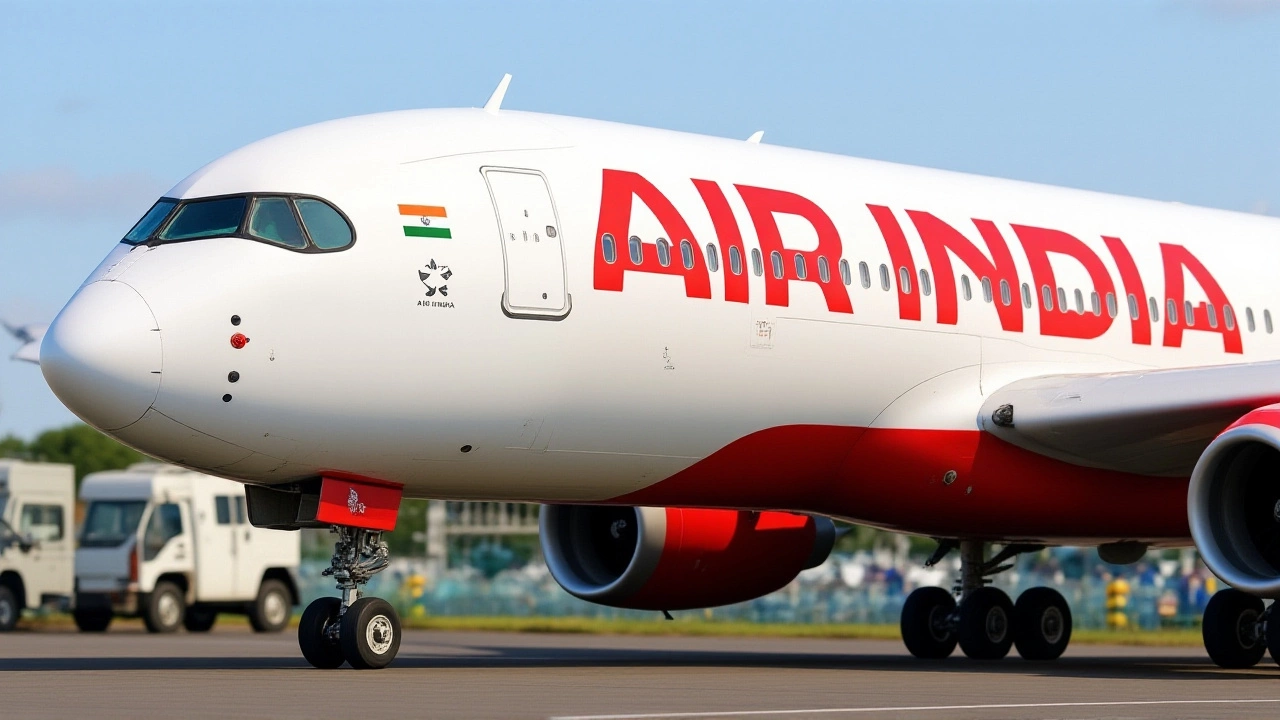
When Air India Limited announced its new "Basic Fare" option for domestic routes this week, it signaled a major shift in how the national carrier competes on price. The move targets budget-conscious travelers who prioritize low ticket costs over complimentary full-service amenities like hot meals.
The new fare structure is currently live on selected domestic flights across India. It’s not a total overhaul of their service model, but rather a strategic addition to their existing economy class offerings. Here’s the thing: you still get your tea and coffee for free, but the complimentary meal? That’s gone unless you pay extra.
The New Economics of Flying Economy
Air India has long been known as a full-service carrier, distinct from the low-cost giants like IndiGo or SpiceJet. But the aviation landscape is changing. By introducing this stripped-down fare, the airline is trying to capture passengers who might otherwise choose a budget competitor simply because they don’t need a three-course meal at 30,000 feet.
Under the new rules, the base fare is lower than standard economy tickets. However, that savings comes with specific trade-offs. Passengers booking the Basic Fare will not receive a complimentary meal. Instead, they can purchase food onboard or pre-book it separately. Interestingly, beverages like tea and coffee remain complimentary—a small but significant concession that keeps the experience from feeling entirely transactional.
Baggage allowances are also clearly defined, which helps avoid those dreaded gate fees. Travelers are permitted:
- 15 kg of checked-in baggage
- 7 kg of cabin (hand) baggage
This aligns reasonably well with standard industry practices, ensuring that while the meal is removed, the core utility of transporting luggage remains intact.
Why This Matters for Indian Travelers
The decision reflects broader trends in global aviation where airlines are unbundling services to offer more granular pricing. For the average Indian traveler, this means greater choice. If you’re flying short-haul between cities like Delhi and Mumbai, or Bangalore and Hyderabad, you might not even have time to eat a full meal. Paying for something you won’t consume feels like a waste.
But wait—there’s a catch. The rollout isn’t universal yet. Reports indicate that the Basic Fare is available only on "selected domestic flights." This suggests a phased approach, likely testing demand on high-volume routes before expanding nationwide. Specific flight numbers or route maps haven’t been publicly detailed in initial announcements, so travelers need to check availability directly on the booking platform.
Industry Context and Competitive Pressure
India’s domestic aviation market is fiercely competitive. With carriers constantly adjusting fares based on fuel costs and demand, Air India needs every tool in its arsenal to stay relevant. This move mirrors strategies seen globally, where legacy carriers introduce "light" fares to compete with ultra-low-cost carriers (ULCCs).
Experts suggest this could pressure other full-service airlines in India to follow suit. If Air India succeeds in attracting price-sensitive customers without alienating those who value service, we might see similar options from competitors like Vistara or even international carriers operating in the region.
The regulatory environment, overseen by the Directorate General of Civil Aviation (DGCA), hasn’t raised any red flags about this change. It’s purely a commercial decision by the airline, not a response to new government mandates.
What’s Next for Air India?
For now, the focus is on execution. Will passengers embrace the no-meal option? Early reactions on social media suggest mixed feelings. Some appreciate the transparency and cost savings, while others worry about the erosion of service standards.
Keep an eye out for expansion plans. If the Basic Fare performs well, it could become a permanent fixture across Air India’s entire domestic network. There’s also speculation about whether this model will eventually apply to international short-haul routes, though that remains unconfirmed.
Frequently Asked Questions
Is the Air India Basic Fare cheaper than regular economy tickets?
Yes, the Basic Fare is designed to be a lower-cost alternative to standard economy tickets. The primary saving comes from removing the complimentary meal service, allowing the airline to reduce the base price for passengers who do not require onboard dining.
Do I still get free drinks with the Basic Fare?
Yes, complimentary beverages such as tea and coffee are still included with the Basic Fare. While full meals are removed, the airline maintains this amenity to ensure a baseline level of comfort for all economy passengers.
What is the baggage allowance for Basic Fare tickets?
Passengers holding a Basic Fare ticket are allowed 15 kg of checked-in baggage and 7 kg of cabin hand baggage. These limits are consistent with standard economy allowances, so you won’t face extra fees for normal luggage loads.
Can I buy a meal if I book the Basic Fare?
Yes, although meals are not included, passengers can typically purchase food onboard or pre-order meals through the airline’s website or app before their flight. Availability may vary depending on the route and flight duration.
Which flights are eligible for the Basic Fare?
Currently, the Basic Fare is available on selected domestic routes within India. It is not yet applied to all flights or international destinations. Travelers should check specific flight availability during the booking process to see if the option is offered.